Heat Pump Installation: A Smart Choice for Year-Round Comfort
@raymondqhpw793
November 8, 2026 · 27 min read
A heat pump is one of those home upgrades that sounds suspiciously too neat at first. One system that heats and cools? Efficient in winter and summer? Lower energy use without turning your living room into a science fair project? It has the vibe of a kitchen gadget advertised at 2 a.m., right up until you see one working properly in a real house.
Then it makes sense.
A well-installed heat pump does not create heat the way a furnace does. It moves heat. In summer, it moves heat out of your home, much like an air conditioner. In winter, it pulls heat from outdoor air and moves it inside. Yes, even when the air outside feels cold enough to make your eyebrows reconsider their career path, there is still heat energy available. Modern heat pumps are remarkably good at collecting it.
The catch, because homes love catches, is installation. Heat pump installation is not a “close enough” job. Sizing, ductwork, electrical capacity, refrigerant lines, controls, drainage, airflow, and backup heat strategy all matter. Get those right and the system feels quiet, steady, and civilized. Get them wrong and you may end up with a machine that runs like it is training for a marathon while your bedroom remains the temperature of a walk-in cooler.
The heat pump appeal, without the sales confetti
The biggest reason homeowners look at heat pumps is simple: one system can handle both heating and cooling. That matters if your air conditioner is aging, your furnace is sulking, or you are tired of paying separate repair bills to keep both from staging a rebellion.
For homes with electric resistance heat, propane, oil, or older HVAC equipment, a heat pump can be a major comfort upgrade. It often uses less energy than systems that generate heat directly. Instead of burning fuel or pushing electricity through resistance coils, it transfers heat. That distinction is not just technical trivia. It is the reason heat pumps can deliver two, three, or sometimes more units of heat for every unit of electricity consumed, depending on outdoor temperature and system performance.
The cooling side feels familiar. If you have had central air conditioning, a heat pump in cooling mode behaves much the same way. The indoor coil absorbs heat from indoor air, the refrigerant carries it outside, and the outdoor unit rejects it. The difference is the reversing valve, a modest little component with a big job. It lets refrigerant flow change direction, which allows the system to heat or cool as needed.
There is a comfort difference too. Traditional furnaces often deliver hotter air in shorter bursts. Heat pumps usually deliver warm air more steadily. Some homeowners love that because the house feels more even. Others, especially people used to gas furnace blasts, initially put a hand over the vent and say, “Is this thing even on?” It is. It just is not trying to toast bread from across the room.
Is a heat pump right for every house?
No. And anyone who says yes may also have a bridge, extended warranty, or miracle drain cleaner to sell you.
Heat pumps work beautifully in many homes, but the best choice depends on climate, insulation, duct condition, electrical service, fuel costs, and homeowner expectations. A small, tight home with decent ducts is usually a friendly candidate. A drafty older house with undersized ductwork, 100-amp electrical service, and a family that likes indoor winter temperatures set to “greenhouse orchid” needs a more careful plan.
Cold-climate heat pumps have changed the conversation. Years ago, heat pumps had a reputation for struggling once temperatures dropped. Some still do, especially older or basic models. But modern inverter-driven cold-climate units can maintain strong heating performance well below freezing. That does not mean backup heat never matters. It means backup heat can be planned intelligently rather than treated like a panic button.
In colder regions, many homeowners choose a dual-fuel setup, pairing a heat pump with a gas furnace. The heat pump handles milder heating days efficiently, then the furnace takes over when outdoor temperatures drop below a chosen balance point or when utility rates make gas more economical. This can be a smart approach if an existing furnace is still in good shape. A heating contractor with actual field experience can help set that switchover point properly instead of guessing based on vibes and a weather app.
For homes without ducts, ductless mini-split heat pumps can be excellent. They are common in additions, garages, finished basements, older homes with boiler heat, and rooms that never seem to match the rest of the house. You know the room. Every home has one. It is either a sauna, a meat locker, or both, depending on the month.
The installation details that separate comfort from comedy
Heat pump installation begins long before anyone sets equipment on a pad. The right contractor should inspect the home, ask how you use it, look at ductwork, measure or calculate the load, and evaluate electrical requirements. If someone recommends equipment after a five-minute glance at your old unit from the driveway, that is not a design process. That is speed dating with sheet metal.
Sizing is one of the biggest factors. Oversized systems can short cycle, which means they turn on and off too frequently. That wastes energy, causes wear, and often does a poor job controlling humidity in cooling season. Undersized systems may run endlessly and still fail to satisfy the thermostat during extreme weather. Inverter systems are more forgiving because they can ramp output up and down, but “more forgiving” is not permission to install whatever happened to be on sale.
Ductwork deserves equal attention. A high-efficiency heat pump connected to leaky, restrictive, or poorly insulated ducts is like hiring a world-class chef and handing them a microwave with a loose door. Airflow problems show up as noise, hot and cold rooms, high energy bills, frozen coils, compressor stress, and callbacks. Good installers check return air capacity, supply distribution, static pressure, duct leakage, and filter sizing. These details may not be glamorous, but neither is paying for a premium system that wheezes through ductwork sized for a much smaller unit installed during the disco era.
Electrical work is another key piece. Heat pumps need proper circuits, disconnects, breakers, and sometimes panel upgrades. Auxiliary heat strips, if used, can require significant amperage. This is where a licensed electrician may need to be involved, particularly in older homes. If the electrical panel already looks like three generations of homeowners made “creative decisions,” do not ignore it. Heat pump installation is not the time to discover that your panel has been surviving on hope and mystery.
What happens during a typical installation
The exact process depends on whether you are replacing an existing central air conditioner, switching from a furnace and AC combination, installing ductless equipment, or building a new system from scratch. Still, most central heat pump installations follow a recognizable path.
The crew removes old equipment, sets the new outdoor unit, installs or adapts the indoor air handler or coil, runs refrigerant lines if needed, connects condensate drainage, completes electrical wiring, seals or modifies ducts, evacuates and charges the refrigerant circuit, then tests operation in heating and cooling modes. That sounds tidy in one sentence. In the field, it includes crawlspace yoga, attic negotiations, sheet metal cuts, stubborn fasteners, and at least one moment where someone says, “Who installed this before?”
A quality installation also includes commissioning. That word gets tossed around, but it simply means verifying the system operates as designed. The technician should check refrigerant charge, airflow, temperature split, thermostat setup, defrost operation, electrical readings, condensate drainage, and safety controls. For inverter-driven equipment, commissioning may involve manufacturer-specific setup through a control board or app. Skipping these steps is like baking a cake and not checking whether the oven was set to broil.
For ductless systems, placement matters. Indoor heads should be positioned where air can circulate well, not where they blast directly onto a favorite reading chair or create a decorative but useless breeze above a doorway. Outdoor units need clearance for airflow and service access. Line sets should be protected, drains pitched correctly, and penetrations sealed carefully. A ductless system can look clean and discreet when installed well. Installed poorly, it can make a house look like it grew plumbing veins.
A short homeowner checklist before you sign
A little preparation saves headaches. You do not need to become an HVAC engineer, but you should ask enough questions to separate careful contractors from professional shrug artists.
- Ask whether the contractor performed a load calculation or justified the equipment size with more than “same as the old one.”
- Confirm whether your ductwork, electrical panel, and thermostat are compatible with the proposed system.
- Ask how backup heat will work during very cold weather.
- Request details on warranties, maintenance requirements, and expected service access.
- Make sure the estimate includes permits where required and a clear scope of work.
That list may seem basic, but it catches a surprising number of weak proposals. If you get three bids and one is dramatically cheaper, compare the scope before celebrating. Sometimes it is a great value. Sometimes it forgot the expensive parts.
Comfort is not just temperature
Homeowners often talk about heating and cooling in thermostat numbers. Seventy-two degrees sounds like comfort, but it is only part of the story. Humidity, air movement, noise, room-to-room balance, and runtime all affect how a home feels.
A properly installed heat pump tends to run longer at lower output, especially variable-speed models. That can improve comfort because the system is not constantly jolting the house with short blasts. In cooling season, longer runtimes help remove humidity. In heating season, steady operation reduces swings between too warm and too cold.
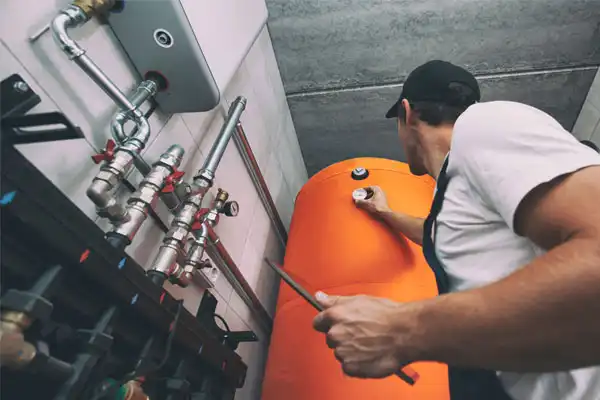
Noise levels vary by model and installation. Outdoor units have become much quieter, but location still matters. Put one outside a bedroom window and even a quiet unit may become a nightly character in your dreams. Mounting, pad stability, line set routing, and vibration isolation can all affect sound. Indoors, airflow noise often traces back to undersized ducts or restrictive filters rather than the heat pump itself. When someone blames “the unit” for every sound, the duct system rolls its eyes from behind the drywall.
Filtration is another comfort factor. Heat pumps move a lot of air, and the filter must protect equipment without strangling airflow. High-MERV filters can improve particle capture, but only if the system can handle the added resistance. In some homes, upgrading the filter cabinet or adding more return air is smarter than stuffing an ultra-dense filter into a flimsy one-inch slot and wondering why the system sounds like it is breathing through a straw.
Efficiency, utility bills, and the part nobody can promise exactly
A heat pump can lower energy costs, but the savings depend on your existing system, local electricity rates, fuel prices, climate, insulation, and habits. Replacing electric resistance heat with a heat pump often produces noticeable savings. Replacing a high-efficiency natural gas furnace is more nuanced, especially in areas with low gas rates or high electric rates.
Efficiency ratings help, but they do not tell the whole story. Cooling efficiency is often represented by SEER2, while heating efficiency may be shown as HSPF2. Higher numbers generally mean better efficiency under test conditions. Real houses are not test labs. They have leaky ducts, sunny windows, teenagers who leave doors open, and dogs who believe the back door is a personal weather portal.
Installation quality can erase theoretical efficiency gains. Poor refrigerant charge, low airflow, incorrect thermostat settings, or duct leakage can make an expensive system perform like a bargain bin special. This is why choosing a competent air conditioning contractor or heating contractor matters as much as choosing the brand name on the cabinet.
Maintenance also affects operating cost. A heat pump works year-round, so it needs attention. The same outdoor unit that cools in July heats in January. Dirt on coils, clogged filters, weak capacitors, blocked drains, and neglected electrical connections can reduce performance or lead to air conditioning repair and heating repair calls at the least convenient times. HVAC equipment has a sixth sense for failing during holidays, dinner parties, and weather events with names.
Heat pump vs furnace and air conditioner
A traditional furnace and air conditioner setup has served many homes well. The furnace heats, the AC cools, and everyone knows their role. A heat pump changes that arrangement by making the outdoor unit useful in both seasons.
Gas furnaces still have advantages. They can deliver very hot supply air and strong output during extreme cold. They may be economical where gas is inexpensive. They also pair well with heat pumps in dual-fuel systems. If you already have a newer gas furnace, replacing only the AC with a heat pump may let you use the heat pump during moderate weather and keep the furnace for deeper cold.
All-electric heat pump systems can be attractive for homeowners who want to reduce combustion appliances in the home or who do not have natural gas service. Removing gas equipment may also eliminate certain venting concerns, though electric backup heat and service capacity must be planned carefully. If you are switching away from gas, a gas installation service may not be part of the project, but a qualified electrician very likely will be.
Ductless heat pumps are their own category. They offer zoned comfort and high efficiency, especially where ducts are absent or impractical. The trade-off is aesthetics and distribution. Some people do not mind indoor wall heads. Others look at them like someone mounted a breadbox above the sofa. Ceiling cassettes and slim ducted units can solve some design concerns, but they add cost and installation complexity.
The hidden companions: plumbing, drains, and the rest of the house
A heat pump installation is HVAC work, but homes do not respect trade boundaries. Condensate drainage, for example, matters in cooling mode. If the system cannot drain properly, water may back up, trip a float switch, stain ceilings, or create a small indoor marshland nobody requested. In tight mechanical rooms, plumbing lines, water heaters, softeners, and drains can affect equipment placement and service access.
This is where whole-home awareness helps. A contractor who understands HVAC but ignores everything around it can create future annoyances. Maybe the air handler blocks access to the water heater. Maybe the condensate line ties into a questionable drain. Maybe the new equipment crowds a panel an electrician needs to service. Homes are ecosystems, although less majestic than a rainforest and more likely to contain lint.
Companies that handle multiple trades, such as Service Lion Plumbing Heating Air Electric, can be useful on projects where heating, cooling, electrical, and plumbing details overlap. Not every heat pump job needs a Service Lion Plumbing Heating Air Electric Electrician plumber, an electrician, and an HVAC technician in the same room, but when it does, coordination beats finger-pointing. A clean installation is often less about one heroic technician and more about the right trades not stepping on each other’s tool bags.
When a heat pump installation uncovers other problems
Replacing HVAC equipment has a way of revealing the house’s secrets. Some are harmless. Some are expensive. None ask permission.
Duct leaks are common. In attics and crawlspaces, disconnected or crushed ducts can waste a shocking amount of conditioned air. If you have a room that has always been uncomfortable, do not assume the new system alone will fix it. The problem may be a duct run that looks like it lost a wrestling match.
Electrical limitations can also appear. Older panels may lack capacity for auxiliary heat or modern equipment. Aluminum wiring, obsolete panels, missing disconnects, or improper grounding can complicate installation. A licensed electrician should evaluate and correct those issues. It may feel annoying to address electrical upgrades during an HVAC project, but it is better than treating the breaker panel like a wish-granting device.
Indoor air quality issues sometimes surface too. If return ducts pull air from a dusty crawlspace or unconditioned attic, a new heat pump will not magically make that air clean. If the home has moisture issues, poor ventilation, or dirty ductwork, those may need attention separately. HVAC systems condition air. They do not absolve a house of its sins.
In some homes, water management enters the picture. A clogged condensate drain may require drain cleaning. A mechanical room floor drain may need attention. Homes with septic systems should be thoughtful about where condensate drains and discharge lines terminate, especially if other plumbing work is happening. This does not turn a heat pump installation into a septic system service call, but it does reward installers who notice the surroundings.
Maintenance: not glamorous, absolutely necessary
A heat pump works more months of the year than a standalone furnace or air conditioner. That makes regular maintenance important. It is not just about preventing breakdowns, although that is a fine goal if you dislike sweating indoors while making emergency phone calls.
Air conditioning maintenance and heating maintenance for a heat pump usually include coil cleaning, filter inspection, electrical checks, refrigerant performance checks, blower inspection, drain cleaning, thermostat verification, and defrost operation testing. An air conditioning tune-up before summer helps ensure cooling performance. A fall check helps confirm heating mode and backup heat are ready before the first cold snap turns every HVAC company’s phone system into a carnival ride.
Homeowners can handle filter changes, keeping outdoor units clear of leaves and debris, and making sure supply and return vents are not blocked. The professional work should stay professional. Refrigerant handling, electrical diagnostics, control setup, and airflow testing require training and tools. A heat pump is not the place to express your inner inventor with a screwdriver and a video tutorial.
The outdoor unit needs breathing room. Shrubs, snow, leaves, and patio furniture should not crowd it. In winter, heat pumps periodically enter defrost mode to remove frost from the outdoor coil. During defrost, you may see steam rising from the unit. This can look alarming the first time, like the machine is sending distress signals. Usually it is normal. Flames, sparks, or grinding noises are less charming and deserve immediate attention.
Repairs and the reality of mechanical systems
Even well-installed systems eventually need service. Capacitors fail. Sensors drift. Motors wear. Control boards occasionally decide they have given enough to society. Refrigerant leaks are less common in quality installations, but they happen. The difference between a minor repair and a major headache often comes down to early diagnosis.
If cooling performance drops, your first thought may be air conditioning repair. With a heat pump, the same equipment also affects heating, so symptoms can overlap. A refrigerant issue may show up as poor cooling in July or weak heating in January. A blower problem can affect both modes. A thermostat configuration error can make the system behave like it is reading instructions in another language.
Do not ignore repeated breaker trips, ice buildup, water leaks, burning smells, or unusual noises. Some issues are simple, like a clogged filter. Others can damage compressors or create safety concerns. The phrase “it still runs” has preceded many expensive repairs. A furnace repair service hears the same thing about furnaces, and an air conditioning repair service hears it about AC units. Machines often keep running poorly before they stop running completely, because apparently they enjoy drama.
Costs and what affects the final price
Heat pump installation costs vary widely. Equipment type, capacity, efficiency rating, duct modifications, electrical upgrades, line set length, indoor unit configuration, permits, labor rates, and removal of old equipment all influence price. A basic replacement using existing compatible infrastructure costs much less than a full conversion with duct repairs, panel upgrades, and zoning.
Ductless systems can be economical for one or two zones, but costs rise with multiple indoor heads. Central systems may cost more upfront if ductwork needs correction, yet they can provide a more familiar whole-home comfort experience. Dual-fuel systems add complexity but can be excellent in the right climate and utility market.
Rebates and tax incentives may be available depending on location, equipment efficiency, and current programs. These change, so homeowners should verify details with local utilities, state programs, or a tax professional rather than relying on last year’s neighborly wisdom. Neighborly wisdom is useful for tomatoes and fence gossip, less reliable for incentive paperwork.
The cheapest bid is not always the worst, and the highest bid is not always the best. Look at scope, equipment match, warranty, contractor licensing, commissioning practices, and how thoroughly the company evaluated your home. Good installation has value because it protects the equipment’s performance for years. Bad installation is a discount you keep paying for.
A quick comparison of common heat pump options
| Heat pump type | Best fit | Watch-outs | |---|---|---| | Central ducted heat pump | Homes with good existing ductwork | Duct leaks or poor airflow can hurt performance | | Cold-climate heat pump | Areas with frequent freezing temperatures | Backup heat strategy still matters | | Dual-fuel heat pump | Homes with usable gas furnace systems | Controls must be configured correctly | | Ductless mini-split | Additions, older homes, zoned comfort | Indoor unit placement affects comfort and appearance | | Packaged heat pump | Some homes with rooftop or outdoor packaged systems | Service access and duct connections are critical |
A table can make this look simpler than it is, but the broad idea holds. Match the system to the house, not the other way around. Homes have personalities. Some are cooperative. Some are Victorian riddles with wallpaper.
The role of the thermostat, which is smarter than it looks
Heat pump thermostats are not interchangeable with every basic heating and cooling thermostat. They need to control reversing valves, compressor stages, auxiliary heat, emergency heat, and sometimes outdoor temperature lockouts. With communicating inverter systems, the thermostat or controller may be proprietary.
Incorrect thermostat setup can cause high bills or poor comfort. One classic mistake is energizing auxiliary heat too often. Electric heat strips are useful when needed, but they are expensive to run compared with heat pump operation. If a thermostat calls them in every time the indoor temperature is raised a couple of degrees, your utility bill may develop a villain origin story.
Setbacks also deserve thought. With older furnaces, deep nighttime setbacks often made sense. With heat pumps, especially in cold weather, large setbacks can trigger auxiliary heat during recovery. Many homeowners do better with modest setbacks or steady temperatures. Smart thermostats can help, but only if configured correctly for heat pump logic. “Smart” devices are still quite capable of doing foolish things with confidence.
How heat pumps fit with other home upgrades
Heat pump installation pairs well with insulation and air sealing. Reducing heat loss lowers the load, improves comfort, and may allow smaller equipment. If your attic insulation is thin or your home leaks air like a screen door submarine, fixing the envelope can pay off regardless of HVAC choice.
Water heating is another area homeowners consider during electrification projects. Heat pump water heaters can be efficient, though they have placement and noise considerations. Traditional water heater repair or water heater installation may still be the right move depending on space, budget, and household hot water demand. If plumbing upgrades are already underway, such as plumbing repiping, plumbing leak repair, or water softener installation, it can be worth coordinating mechanical room layout before new HVAC equipment is placed.
Lighting and electrical upgrades may also come into play. A lighting contractor might not be part of a heat pump conversation at first glance, but if a panel upgrade or rewiring project is happening, homeowners sometimes bundle improvements. Again, the point is not to turn one project into a home renovation avalanche. It is to avoid installing new equipment in a way that blocks sensible future work.
Drainage deserves a mention too. HVAC condensate should be routed reliably. If the home already has recurring drain issues, rooter service or hydrojetting may be needed separately. No one wants a new high-efficiency comfort system sharing space with a floor drain that behaves like a swamp creature every spring.
What a good contractor should sound like
A strong contractor asks questions before giving answers. They want to know which rooms are uncomfortable, how long you plan to stay in the home, what fuel you currently use, whether you have had humidity issues, and what your electrical panel can support. They inspect the existing system and do not treat the old equipment size as sacred scripture.
They should explain trade-offs plainly. Maybe the premium inverter system is worth it for your home. Maybe a simpler single-stage unit fits your budget and climate. Maybe duct repairs matter more than a higher efficiency rating. Maybe ductless is ideal for the bonus room but not the whole house. The best advice is specific. Generic advice is what you get from a brochure and a man pointing at a condenser with shiny shoes.
Licensing and insurance matter. So do permits where required. HVAC work involves electrical components, refrigerant, drainage, structural penetrations, and sometimes combustion equipment if a furnace remains. A heat pump installation is not just appliance delivery with extra steps.
Look for a contractor who discusses maintenance without using fear as a crowbar. Systems need care, but homeowners deserve practical guidance rather than theatrical doom. A good service plan may be worthwhile, especially for equipment that heats and cools all year. What matters is that maintenance actually includes useful checks, not just a sticker on the unit and a cheerful wave.
The comfort payoff
When a heat pump is designed and installed well, the payoff is not dramatic in a movie-trailer way. It is better than that. It is quiet consistency. The house cools without clamminess. Heat arrives without the scorched-air blast. Bedrooms stop behaving like separate climate zones. The system runs smoothly in the background, which is exactly where home comfort equipment belongs.
You may notice the difference most during shoulder seasons, those awkward weeks when mornings are chilly, afternoons are warm, and your old system never knew whether to bring a jacket. Heat pumps handle mild heating beautifully. They are also well suited to efficient cooling when summer settles in and the air starts feeling like soup with ambition.
The smart choice is not simply “install a heat pump.” The smart choice is to install the right heat pump, in the right way, for the specific home. That means honest sizing, sound ductwork, adequate electrical support, careful commissioning, and a maintenance plan that does not rely on luck. Luck has its place. It belongs in card games, parking spots, and finding one last clean coffee mug. It should not be the operating principle for your heating and cooling system.
A heat pump can be a practical, efficient, year-round comfort solution. Treat the installation like the skilled trade project it is, and it can reward you for years with lower energy waste, steadier temperatures, and fewer arguments with the thermostat. And if your thermostat has been winning those arguments lately, frankly, it has had a good run.
Name: Service Lion Plumbing Heating Air Electric
Address: 521 W Briardale Ave, Orange, CA 92865, United States
Phone: (657) 337-3622
Website: https://callservicelion.com/
Email: [email protected]
Hours:
Monday: Open 24 hours
Tuesday: Open 24 hours
Wednesday: Open 24 hours
Thursday: Open 24 hours
Friday: Open 24 hours
Saturday: Open 24 hours
Sunday: Open 24 hours
Open-location code: R48R+WV Orange, California, USA
Map/listing URL:
https://www.google.com/maps/search/?api=1&query=Google&query_place_id=ChIJQU4LBWHV3IARtnABtyykSA4
Google Map:
Socials:
https://www.facebook.com/ServiceLionCA/
https://www.youtube.com/channel/UCR_L35QzsRTxYZtX8PxJvPw
Local Service Information
Service Lion Plumbing Heating Air Electric provides plumbing, drain, heating, air conditioning, and electrical services from its Orange, California location.The company serves homeowners and properties throughout Orange and communities across Orange County and surrounding areas.
Available services include plumbing repairs, water heater work, drain and sewer services, heating and cooling service, electrical repairs, panels, lighting, outlets, and related home-system work.
Service is available for residential properties as well as light commercial needs described within the company's local service-area information.
The company's website emphasizes locally operated service, coordinated home-system support, and practical scheduling for plumbing, HVAC, and electrical needs.
The matching public business listing shows the Orange location as open 24 hours a day, seven days a week.
For service information or scheduling, call (657) 337-3622 or visit https://callservicelion.com/.
The public map listing identifies the business at 521 W Briardale Ave, Orange, CA 92865 and can be used for location and direction information.
Popular Questions About Service Lion Plumbing Heating Air Electric
What services does Service Lion Plumbing Heating Air Electric provide?
The company provides plumbing, drain and sewer, heating, air conditioning, and electrical services. Its published services include plumbing repair, water heaters, drain clearing, sewer work, HVAC repair and installation, electrical repairs, panels, circuit breakers, lighting, outlets, and related services.
Where is Service Lion Plumbing Heating Air Electric located?
The matching business location is 521 W Briardale Ave, Orange, CA 92865, United States.
What areas does Service Lion Plumbing Heating Air Electric serve?
The company serves Orange County and surrounding communities. Its published service-area information includes Orange, Anaheim, Brea, Yorba Linda, Fullerton, Huntington Beach, Newport Beach, Costa Mesa, Irvine, Lake Forest, and additional nearby cities.
Is Service Lion Plumbing Heating Air Electric open 24 hours?
The matching public business listing shows the location as open 24 hours on Monday through Sunday.
Does Service Lion Plumbing Heating Air Electric work on drains and sewer lines?
Yes. Published services include drain clearing, rooter service, camera inspection, hydro jetting, sewer line repair and installation, water line work, slab leak detection, and trenchless sewer line repair.
Does Service Lion Plumbing Heating Air Electric provide heating and air conditioning service?
Yes. Its published HVAC services include air conditioning repair and installation, heating service, furnace work, heat pumps, air ducts, indoor air quality assessments, and thermostat installation.
Does Service Lion Plumbing Heating Air Electric provide electrical service?
Yes. Published electrical services include repairs and installations, electrical panels, circuit breakers, safety inspections, lighting, outlets and switches, surge protection, generators, and EV charging equipment installation.
How can I contact Service Lion Plumbing Heating Air Electric?
Call (657) 337-3622.
Email: [email protected]
Website: https://callservicelion.com/
Facebook: https://www.facebook.com/ServiceLionCA/
Landmarks Near Orange, California
Old Towne Orange Historic District
A central historic district and useful geographic reference point for the Orange community.
Plaza Park
A well-known public gathering point in the center of Old Towne Orange.
Orange Public Library & History Center
A civic landmark serving residents near central Orange.
Hart Park
A major public park and recreation area south of central Orange.
Eisenhower Park
A public park serving neighborhoods in northern Orange.
Santiago Oaks Regional Park
A regional recreation and open-space landmark on the eastern side of Orange.
Irvine Regional Park
A large regional park and recognizable reference point east of the city.
Orange Park Acres
A distinctive residential community and service-area reference point in eastern Orange.
El Modena
An established Orange neighborhood that provides a practical local coverage reference.
Glassell Street
One of the city's principal north-south streets and a useful route through central Orange.
Lincoln Avenue
A major east-west roadway serving northern Orange and nearby communities.
State Route 55
A primary regional freeway connecting Orange with other parts of Orange County.